How Global Regulations Shape Player Safety in Digital Betting Environments
Ellis Keller · Aug 18, 2026
How Global Regulations Shape Player Safety in Digital Betting Environments
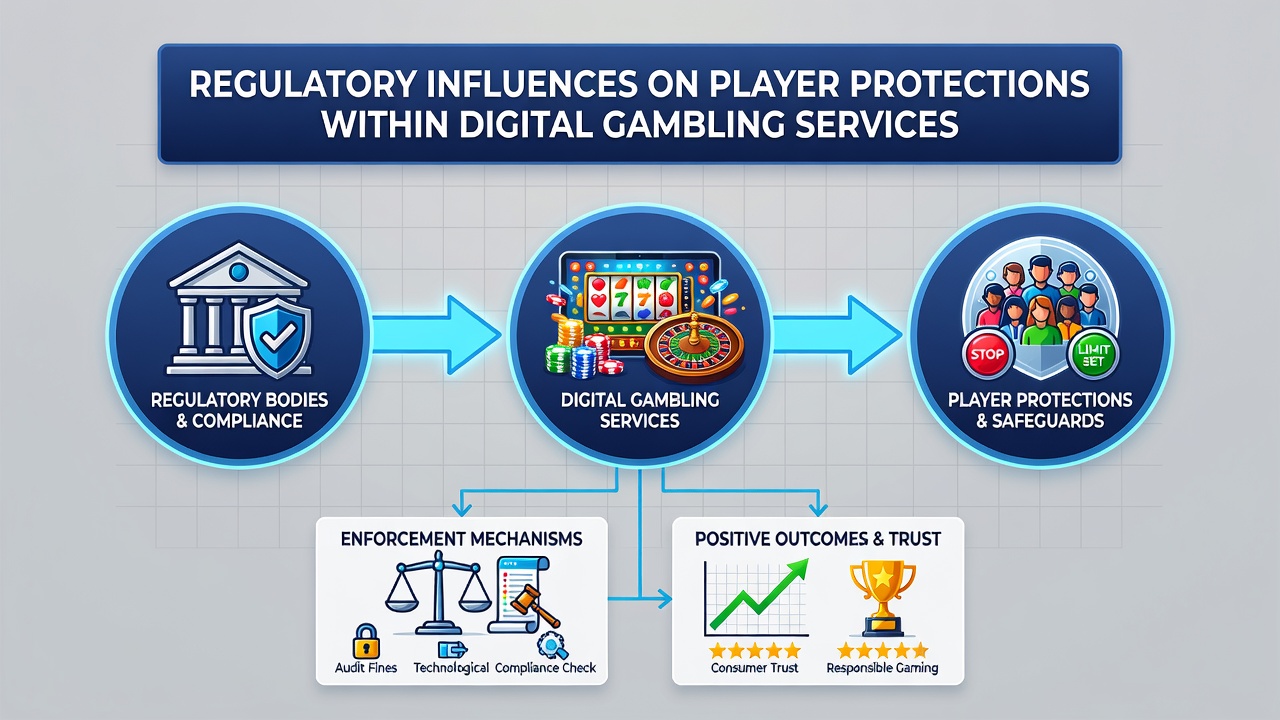
Regulatory frameworks across multiple jurisdictions have developed specific requirements that operators must follow to protect users from excessive gambling risks, and these rules continue to expand as digital services grow in scale. Governments and oversight bodies have introduced measures such as mandatory age verification systems, self-exclusion programs, and spending caps that platforms integrate directly into their software, while data from enforcement agencies shows varying degrees of compliance and effectiveness depending on the region.
Development of Core Protection Standards
Early licensing systems in places like Nevada established basic age and location checks during the 2000s, yet subsequent updates added layers of real-time monitoring for suspicious betting patterns that could indicate harm. Researchers tracking outcomes in Canadian provinces noted that provinces implementing deposit limits alongside mandatory breaks saw measurable drops in repeat high-stakes sessions among flagged accounts. Observers note that these standards often build on each other, with one jurisdiction adopting successful elements from another after reviewing performance metrics released in annual reports.
Regional Differences in Enforcement Approaches
European authorities outside the UK have focused on centralized databases that allow users to register once for exclusion across multiple operators, whereas Australian state regulators emphasize pre-commitment tools that require players to set limits before accessing pokies or sportsbooks. Data released by the Nevada Gaming Control Board indicates that operators face fines when systems fail to block self-excluded individuals promptly, and similar penalties appear in licensing renewals across several US states that legalized online options after 2018. What's interesting here is how enforcement timing affects outcomes, since audits conducted at irregular intervals catch different types of non-compliance compared to scheduled reviews.
Meanwhile, Canadian provinces have tested voluntary versus automatic enrollment in limit-setting features, and studies from academic groups linked to the University of Toronto have examined participation rates under each model. Figures reveal that automatic prompts lead to higher usage of reality-check notifications, although completion rates for full sessions still depend on how clearly the interface presents the information. Those who've examined cross-border data note that harmonization efforts remain limited, which leaves gaps when users access offshore platforms not covered by local rules.
Technological Integration and Ongoing Adjustments
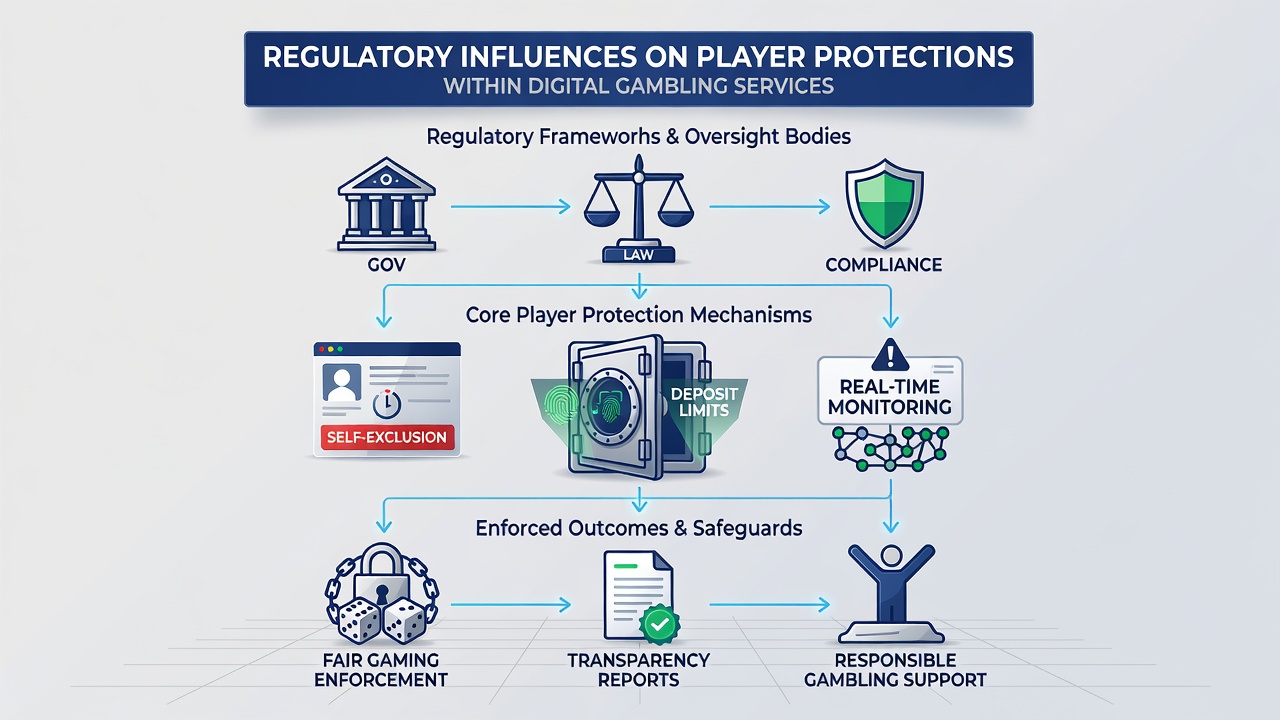
Software providers now embed API connections that feed directly into regulatory portals, allowing real-time reporting of user activity that triggers interventions when thresholds are crossed. In August 2026 several jurisdictions plan to roll out updated algorithms that incorporate machine learning to flag accounts showing rapid escalation in bet sizes or session lengths. These systems draw from aggregated anonymized data sets supplied by operators, and early pilot programs in selected markets have demonstrated quicker identification of potential issues before financial losses accumulate substantially.
Industry associations such as the National Council on Problem Gambling have published guidelines that operators reference when designing these tools, while independent evaluations from research institutes track whether the interventions translate into sustained behavioral changes. Yet implementation varies because smaller operators often lack the resources for advanced customization, which creates uneven protection levels across the market.
Data Trends and Compliance Outcomes
Statistics compiled by oversight bodies show that self-exclusion lists have grown steadily in regions with easy online registration, and follow-up surveys indicate many users report reduced gambling activity after enrollment. Australian reports on pre-commitment schemes found that a significant portion of participants lowered their monthly limits after initial trials, although some returned to higher amounts once the novelty wore off. European data sets similarly track the frequency of mandatory cooling-off periods, and regulators adjust required durations based on observed relapse rates.
One study released through academic channels examined how different notification styles affect user responses, and the results suggested that plain-language messages outperform technical warnings. Observers tracking these patterns point out that repeated exposure to the same alerts can reduce their impact, prompting regulators to require variety in messaging adn timing. Compliance audits continue to reveal occasional lapses where operators delay updates to their platforms, leading to temporary license suspensions until fixes are verified.
Future Adjustments Expected in 2026 and Beyond
Proposals under discussion in several legislatures include expanded requirements for financial risk assessments at account creation, alongside integration with banking systems to enable automated spending blocks. These measures build on existing frameworks rather than replacing them, and pilot testing scheduled for late 2026 aims to measure impact on both player retention and harm reduction metrics. Industry reports indicate operators are already preparing backend changes to accommodate the new data fields required for these assessments.
Conclusion
Regulatory influences on player protections continue to evolve through incremental updates that respond to technological capabilities and collected performance data from multiple markets. Jurisdictions maintain distinct approaches while occasionally borrowing elements that demonstrate measurable results in reducing excessive play, and the emphasis remains on verifiable compliance rather than voluntary guidelines. As digital services expand further, the focus on integrated tools and cross-operator coordination is expected to intensify in line with the patterns observed through 2026.