Inside the Algorithms: Understanding Volatility and RTP Calculations for Slot Machines in Regulated Markets
Iris Wolf · Jun 12, 2026
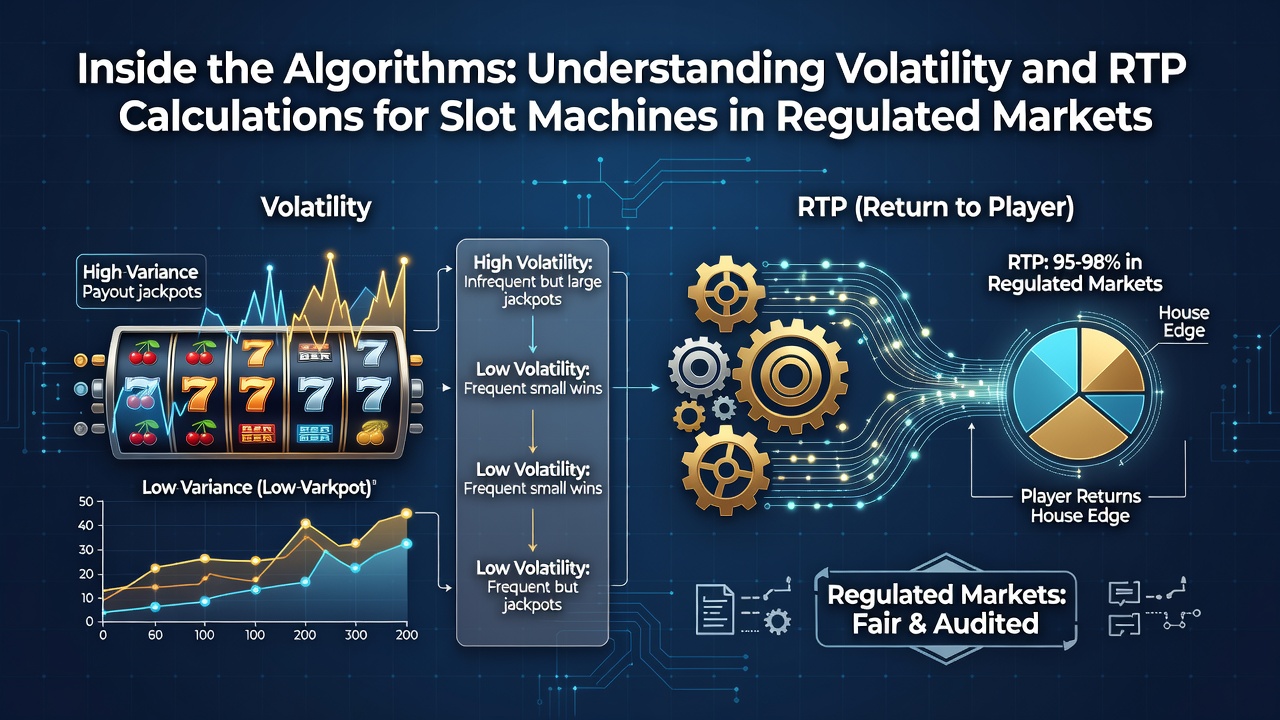
Inside the Algorithms: Understanding Volatility and RTP Calculations for Slot Machines in Regulated Markets
Slot machines operate through complex mathematical models that determine payout patterns over time, and these models form the core of how games function in licensed jurisdictions worldwide. Regulated markets require operators to submit detailed documentation on return-to-player percentages along with volatility ratings before any title reaches players, and certification labs verify these figures through millions of simulated spins. Data from the Nevada Gaming Control Board shows that approved machines maintain RTP values typically between 85 and 98 percent, with most modern video slots clustered around 94 to 96 percent in practice.
How RTP Gets Calculated and Verified
Return to player represents the theoretical percentage of wagered money that a machine pays back across an extended period, yet the actual calculation involves random number generators tested against predefined paytables and reel configurations. Engineers build these models using probability distributions where each symbol combination carries a specific weight, and independent testing houses run extensive simulations to confirm the stated RTP before regulatory approval. In June 2026 several jurisdictions updated their submission requirements to include real-time monitoring feeds that compare live performance against theoretical models, which allows authorities to flag deviations faster than traditional periodic audits once allowed.
Those who've examined certification reports note that even small changes in bonus round frequency can shift overall RTP by several percentage points, which is why developers must lock every parameter before submission. The process demands that each game version receives a unique identifier tied to its exact math model, preventing unauthorized modifications after launch.
Understanding Volatility Through Distribution Patterns
Volatility measures how unevenly a slot distributes its payouts, with low-volatility titles producing frequent small wins while high-volatility games deliver larger but less common rewards. Calculation methods rely on variance analysis of the paytable combined with bonus trigger probabilities, producing a numerical rating that operators then display alongside RTP figures. Research from the University of Nevada's gaming studies program indicates that volatility ratings help players select games matching their bankroll size and session length preferences, although the underlying math remains fixed regardless of individual play style.
Regulatory Oversight Across Regions
European regulators such as the Malta Gaming Authority require third-party verification of both RTP and volatility metrics, while Australian state authorities apply similar standards through their respective gaming commissions. Canadian provincial bodies including the Alcohol and Gaming Commission of Ontario have introduced additional layers that track hit frequency separately from volatility scores, giving oversight teams clearer visibility into short-term player experience. These frameworks share common elements: mandatory disclosure of theoretical return percentages, independent lab certification, and ongoing compliance checks that compare actual outcomes against submitted models.

Algorithm Implementation and Random Number Generation
Modern slot algorithms depend on pseudorandom number generators that produce outcomes at speeds measured in milliseconds, and regulators mandate that these generators pass statistical test suites before deployment. The generators feed into weighted reel strips or virtual reel maps that translate raw numbers into symbol combinations according to the game's paytable. Observers note that any deviation in generator behavior triggers immediate investigation because even minor bias can alter long-term RTP calculations.
Take one case where experts found a generator sequence repeating earlier than expected during certification testing; the developer had to redesign the seeding mechanism and resubmit the entire game for re-evaluation. Such incidents underscore why testing labs maintain large sample sizes that exceed billions of spins in aggregate across multiple hardware platforms.
Market Impact and Compliance Trends
Operators in regulated markets face increasing pressure to publish volatility information alongside RTP, and several jurisdictions now require simplified player-facing explanations of what these numbers mean in practical terms. Industry associations have published guidelines that standardize volatility descriptors such as low, medium, and high, which reduces confusion when players move between different casino platforms. Figures released by the European Gaming and Betting Association reveal that slots with clearly labeled metrics see higher average session durations compared with titles that omit volatility details entirely.
What's interesting is how these transparency measures have influenced game design itself, with studios creating variants that target specific volatility bands to serve different player segments without altering core mathematics. Certification bodies continue to refine their evaluation criteria, particularly around bonus features that combine multiple random elements into single outcome events.
Conclusion
Slot machine algorithms in regulated environments rest on verified RTP calculations and volatility models that undergo repeated independent scrutiny before reaching the market. Regulatory updates scheduled for 2026 emphasize real-time data feeds that further tighten the connection between theoretical models and live performance, and these changes build on existing frameworks already established across North America, Europe, and Australia. Players encounter consistent standards because testing protocols require every game to demonstrate statistical fairness through documented processes rather than marketing claims alone.