Technical Benchmarks for Random Number Generation in Virtual Reel Systems
Iris Wolf · Jul 12, 2026
Technical Benchmarks for Random Number Generation in Virtual Reel Systems
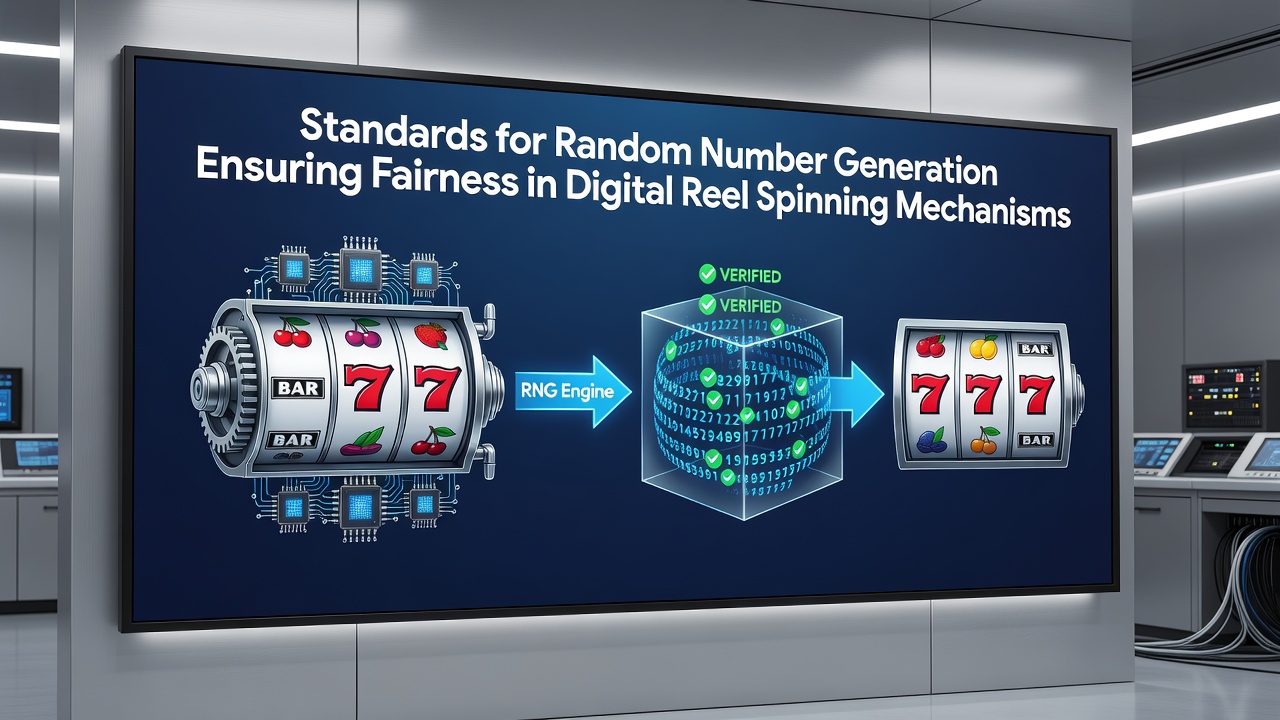
Digital reel spinning mechanisms rely on random number generators to determine outcomes in slot machines and similar devices, and regulators worldwide enforce specific technical benchmarks to maintain outcome integrity. These standards require generators to produce sequences that remain statistically unpredictable while meeting strict uniformity criteria across millions of spins. Observers note that compliance begins with algorithm selection, where cryptographic methods such as those outlined in NIST SP 800-90 series replace older linear congruential generators because they resist prediction even when partial output becomes available.
Testing laboratories evaluate each implementation through suites that include dieharder tests, NIST statistical test suites, and specialized gaming assessments. Data from these evaluations must demonstrate that no bias appears in symbol distribution, reel positioning, or payout frequency over extended sample sizes. Researchers discovered that minimum sample thresholds often exceed 100 million draws before certification proceeds, which eliminates subtle correlations that shorter tests might miss.
Core Requirements Across Major Jurisdictions
Standards organizations in different regions establish overlapping yet distinct criteria for RNG performance. The Nevada Gaming Control Board mandates continuous reseeding from hardware entropy sources during operation, while Australian authorities require independent verification of scaling functions that map raw random values to reel stops. Canadian provincial regulators add requirements for real-time monitoring that flags any deviation beyond predefined statistical thresholds. These rules ensure that operators cannot alter sequences post-certification without triggering new audits.
Certification bodies such as Gaming Laboratories International apply GLI-19 standards that detail both hardware and software RNG categories. Hardware modules must incorporate multiple independent entropy sources, whereas software versions depend on approved cryptographic libraries combined with regular entropy injection. Both categories undergo regression testing whenever game mathematics change, because even minor adjustments to paytable weighting can interact with RNG output in unexpected ways.
Verification Procedures and Ongoing Monitoring
Initial approval involves source code review, entropy quality assessment, and live simulation under controlled conditions. Once deployed, systems face periodic field inspections that compare actual outcome logs against expected statistical distributions. Figures reveal that modern platforms transmit anonymized spin data to central monitoring servers, allowing regulators to detect anomalies within hours rather than weeks.
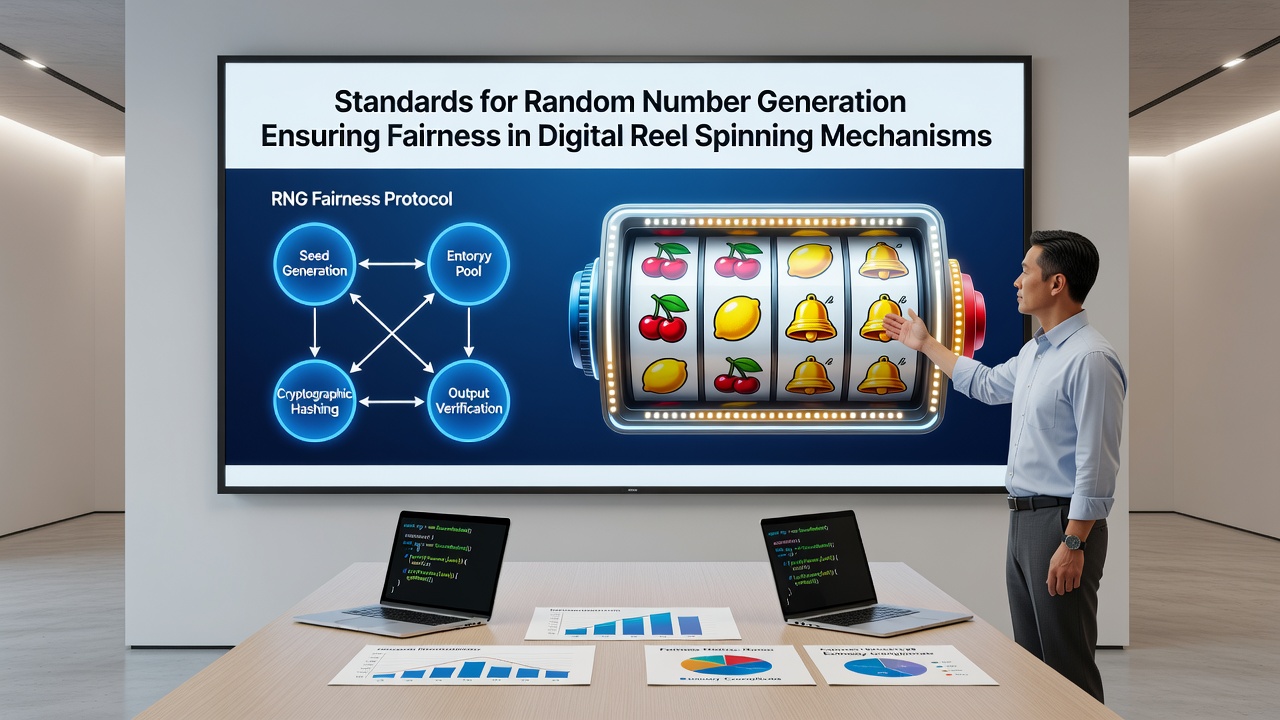
July 2026 marks the scheduled rollout of updated entropy validation protocols in several North American markets, requiring additional post-processing steps to counter emerging side-channel analysis techniques. Those who've studied these revisions note that the changes primarily affect virtual reel implementations that combine multiple games on shared hardware platforms. The new guidelines specify minimum entropy bit rates per reel stop and mandate independent verification of any virtual reel mapping tables.
Common Implementation Challenges
Developers frequently encounter difficulties when scaling RNG output to large reel strips that contain hundreds of symbols. Mapping functions must preserve uniformity, yet simple modulo operations can introduce slight biases when the range does not divide evenly. Experts have observed that approved implementations insert rejection sampling or more sophisticated remapping algorithms to eliminate these artifacts before results reach the game logic.
Multi-player progressive systems add another layer because shared RNG instances must serve independent game instances without creating observable patterns across terminals. Industry reports from the European Casino Association indicate that segmented RNG pools with scheduled rotation schedules address this requirement while maintaining auditability.
Conclusion
Established technical benchmarks for random number generation continue to evolve alongside advances in both hardware capabilities and analytical methods. Regulatory frameworks from multiple continents now converge on requirements for cryptographic strength, continuous monitoring, and transparent certification pathways. These measures collectively ensure that digital reel outcomes remain fair and unpredictable under documented testing regimes. As July 2026 approaches, further refinements scheduled in several jurisdictions will likely reinforce existing protections without altering core statistical principles that have guided the sector for decades.