The Role of Licensing Jurisdictions in Determining Payout Structures for International Online Wagering Platforms
Viktor Krüger · Oct 30, 2026
The Role of Licensing Jurisdictions in Determining Payout Structures for International Online Wagering Platforms
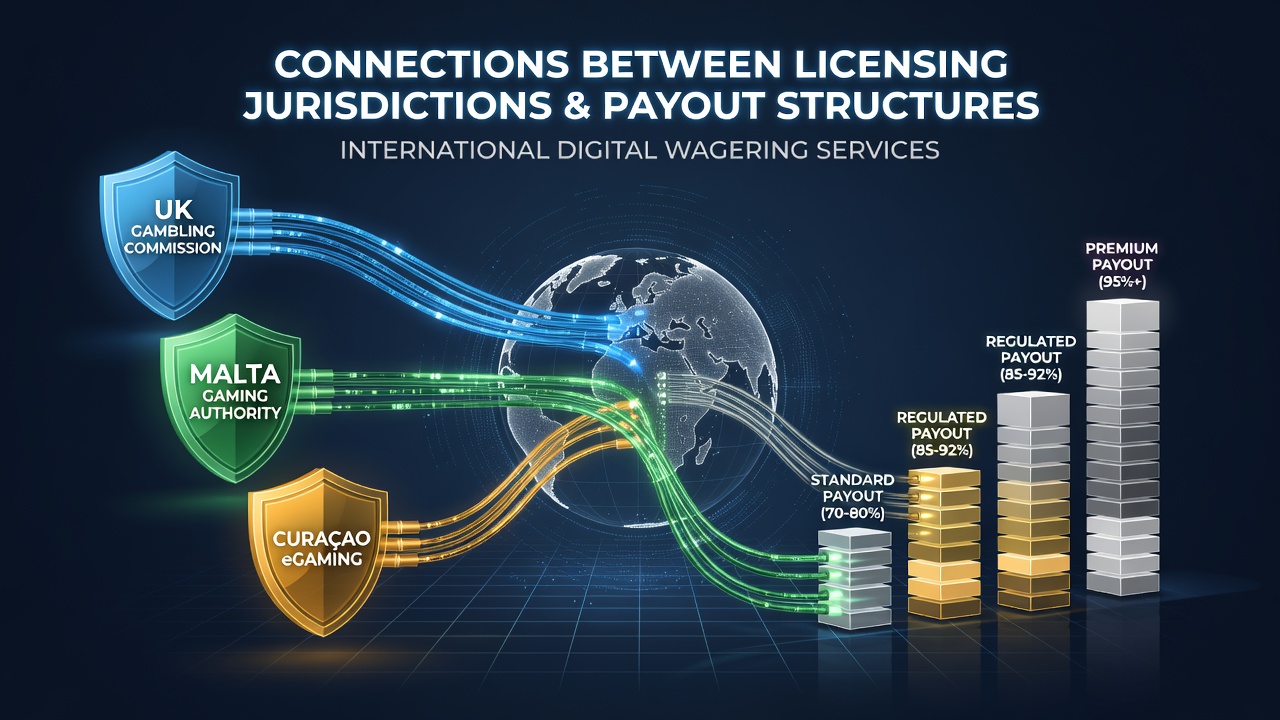
Digital wagering services operate across borders where licensing jurisdictions set the rules that directly shape payout structures, and operators must align their return-to-player ratios with those local mandates to maintain compliance. Different authorities impose varying minimum payout thresholds, audit frequencies, and reporting standards that influence how platforms calculate and distribute winnings to users worldwide.
Jurisdictional Requirements for Minimum Return-to-Player Ratios
Malta's Gaming Authority requires operators to maintain at least 92 percent average RTP across slot games while demanding monthly verification reports that feed into broader quarterly submissions. Gibraltar's regulatory framework sets similar floors yet allows flexibility for skill-based games where operators demonstrate mathematical fairness through independent testing labs. Curacao authorities focus on transparency rather than fixed percentages, requiring public disclosure of RTP figures without enforcing a universal minimum, which gives operators more latitude in setting payout curves for high-volume markets.
Those who've examined licensing documents note that New Jersey's Division of Gaming Enforcement ties payout structures to game category, mandating 83 percent minimum for table games and 95 percent for progressive slots as of October 2026 updates. Australian state regulators in New South Wales apply jurisdiction-specific caps that prevent operators from lowering RTP below 87 percent without prior approval, creating a more rigid environment compared to offshore options.
How Audit and Reporting Obligations Affect Operator Payout Strategies
Strict audit cycles force operators to adjust payout structures proactively because frequent third-party reviews leave little room for variance. Platforms licensed in multiple jurisdictions often maintain separate payout pools for each regulatory segment, ensuring that European users receive returns calculated under Maltese rules while Caribbean-facing traffic follows Curacao guidelines. Data from industry reports shows that operators with licenses in three or more jurisdictions experience 12 to 18 percent higher compliance costs, which they offset by calibrating RTP downward in less restrictive markets.
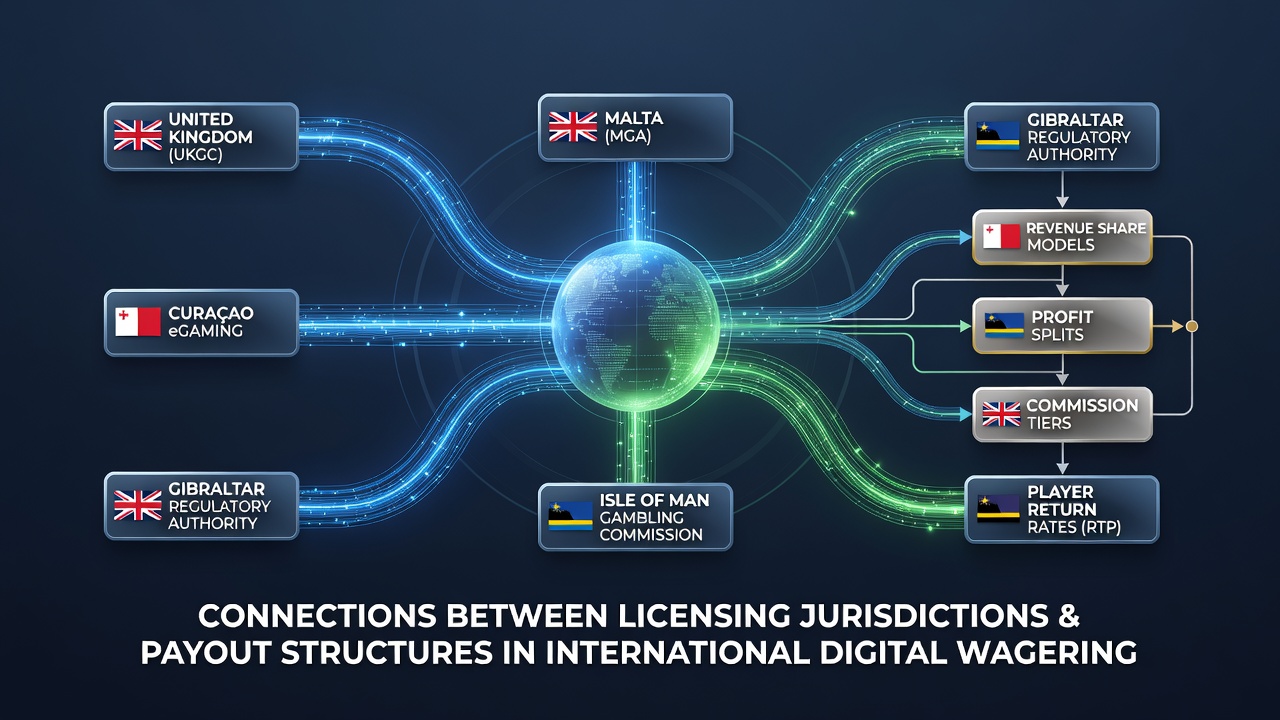
Observers note that operators choose licensing locations based on how those rules interact with their target payout models. A platform aiming for aggressive bonus structures might select Gibraltar because its framework permits higher volatility games with lower base RTP compensated by frequent jackpot contributions. In contrast, services targeting conservative player bases gravitate toward jurisdictions that demand steady, audited payout percentages to build long-term trust.
Cross-Border Implications and Player Fund Segregation Rules
International digital wagering services must segregate player funds according to each licensing jurisdiction's requirements, and this separation directly impacts how winnings are calculated and released. Maltese rules require ring-fenced accounts that prevent operators from using player balances to fund marketing, which indirectly supports higher sustainable payout rates. Canadian provincial regulators in Ontario enforce similar protections while adding daily payout caps that operators must bake into their system algorithms from the outset.
Research from the European Gaming and Betting Association indicates that operators holding licenses across the EU and select offshore zones adjust RTP by an average of 2.4 percentage points between regulated and lightly regulated segments. This variation arises because lighter frameworks allow faster game releases without extended testing periods, enabling quicker tweaks to payout tables based on player behavior data.
Technology Integration and Real-Time Compliance Monitoring
Modern platforms integrate real-time monitoring tools that flag payout deviations before they breach jurisdictional limits, and these systems often draw on regulatory APIs provided by authorities in multiple regions. The Isle of Man Gambling Supervision Commission requires API-level reporting that feeds directly into automated payout adjustments, ensuring operators stay within approved ranges without manual intervention. Such technical requirements raise entry barriers for smaller operators yet create standardized payout reporting that benefits cross-jurisdictional comparisons.
Conclusion
Licensing jurisdictions establish the boundaries within which international digital wagering services construct their payout structures, and the interplay between regulatory demands and operational choices determines the returns available to players across different markets. As frameworks evolve, operators continue to refine their approaches to meet compliance while optimizing game economics for global audiences.