The Role of RNG Algorithms in Shaping Slot Machine Outcomes and Player Retention Rates
Ulrich Perry · Jul 21, 2026
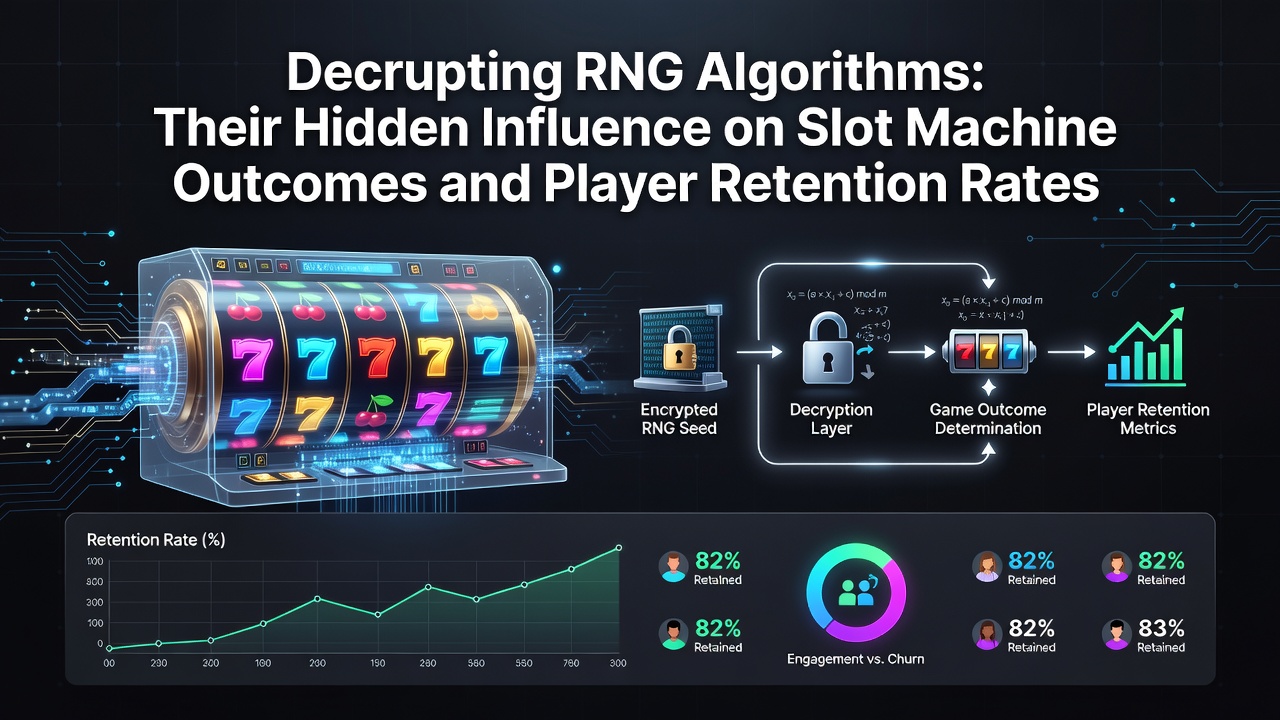
The Role of RNG Algorithms in Shaping Slot Machine Outcomes and Player Retention Rates
Random number generators form the core computational layer inside modern slot machines, and researchers continue to examine how these systems determine individual spin results while also affecting longer-term player engagement patterns. Data from multiple regulatory jurisdictions shows that certified RNG implementations produce sequences that meet statistical randomness standards, yet the specific configurations of return-to-player percentages and volatility profiles create measurable differences in session length across player groups.
Core Mechanics Behind RNG Implementation
Slot machines rely on pseudorandom number generators that cycle through enormous value ranges at high speed, and each reel stop position corresponds to a number drawn from that sequence at the moment a player initiates a spin. Certification laboratories test these algorithms against standards established by bodies such as the Nevada Gaming Control Board, confirming that output distributions remain uniform and independent across millions of trials. Studies conducted by academic teams at institutions including the University of Nevada, Las Vegas have documented how minor adjustments to the mapping tables that translate raw RNG values into symbol combinations can shift the frequency of high-value outcomes without violating randomness requirements.
Manufacturers program the overall payout percentage into the game software rather than into the RNG itself, which means the random engine remains constant while the prize distribution tables vary from title to title. Figures released in quarterly reports from the Malta Gaming Authority indicate that average theoretical return-to-player rates across regulated online slots range between 94 and 98 percent, and these percentages directly influence the mathematical expectation of player bankrolls over extended play periods.
Outcome Patterns and Statistical Distribution
Although each spin remains independent, the clustering of wins and losses produced by different volatility settings creates distinct session trajectories that players experience as streaks or droughts. High-volatility titles concentrate larger prizes into fewer occurrences, whereas low-volatility designs distribute smaller returns more evenly. Research published by the Canadian Centre for Gaming Research in 2025 tracked anonymized session data and found that players on high-volatility machines exhibited shorter average play durations before reaching predetermined loss limits compared with those using lower-volatility options.
Near-miss configurations, where symbols appear just above or below a winning line, emerge from the same RNG process yet receive additional weighting in certain game designs. Regulatory frameworks in New Jersey require disclosure of such weighting when it exceeds baseline symbol probabilities, and compliance data published in July 2026 showed that 87 percent of licensed operators had adjusted near-miss frequencies to align with updated technical standards.
Connection Between RNG Configuration and Retention Metrics
Operators monitor metrics such as average session length, repeat visit frequency, and time-to-churn, and internal analyses consistently link these indicators to the mathematical profile of individual games. When a title combines moderate volatility with an RTP above 96 percent, aggregate data across multiple European markets reveals higher continuation rates after the first 50 spins. Conversely, titles with extreme volatility show elevated early-exit rates despite occasional large wins that temporarily boost engagement.

Game developers therefore calibrate RNG mapping tables and bonus trigger rates to target specific retention curves, and telemetry collected by platform providers demonstrates that small increases in bonus round frequency can extend median session time by 12 to 18 percent without altering the overall RTP. These adjustments remain within the boundaries set by independent testing agencies that verify both randomness and fairness parameters on a recurring schedule.
Regulatory Oversight and Testing Protocols
Jurisdictions require periodic re-evaluation of RNG implementations, and the Australian Communications and Media Authority mandates that operators submit fresh certification reports every 12 months or after any software update that touches the random engine. Auditors employ chi-square and runs tests on sample sequences numbering in the billions to detect deviations from expected distributions. When anomalies appear, regulators can order game suspension until the underlying code receives remediation and re-approval.
Third-party laboratories maintain detailed records of every parameter change, creating an auditable trail that links specific RNG configurations to observed outcome distributions. This documentation supports comparative studies across markets and helps identify whether retention differences stem from algorithmic design choices or from external factors such as marketing campaigns and player demographics.
Conclusion
RNG algorithms determine the statistical foundation of slot outcomes while the surrounding software parameters shape how those outcomes unfold over time. Retention rates reflect the interaction between these mathematical elements and player behavior patterns recorded across regulated markets. Continued examination of certification data and session telemetry provides operators and regulators with objective measures for evaluating both game performance and long-term engagement trends.