Unseen Signals in Online Poker: Chat Patterns, Timing Delays, and Bet Sizing Secrets
Viktor Krüger · Mar 21, 2026
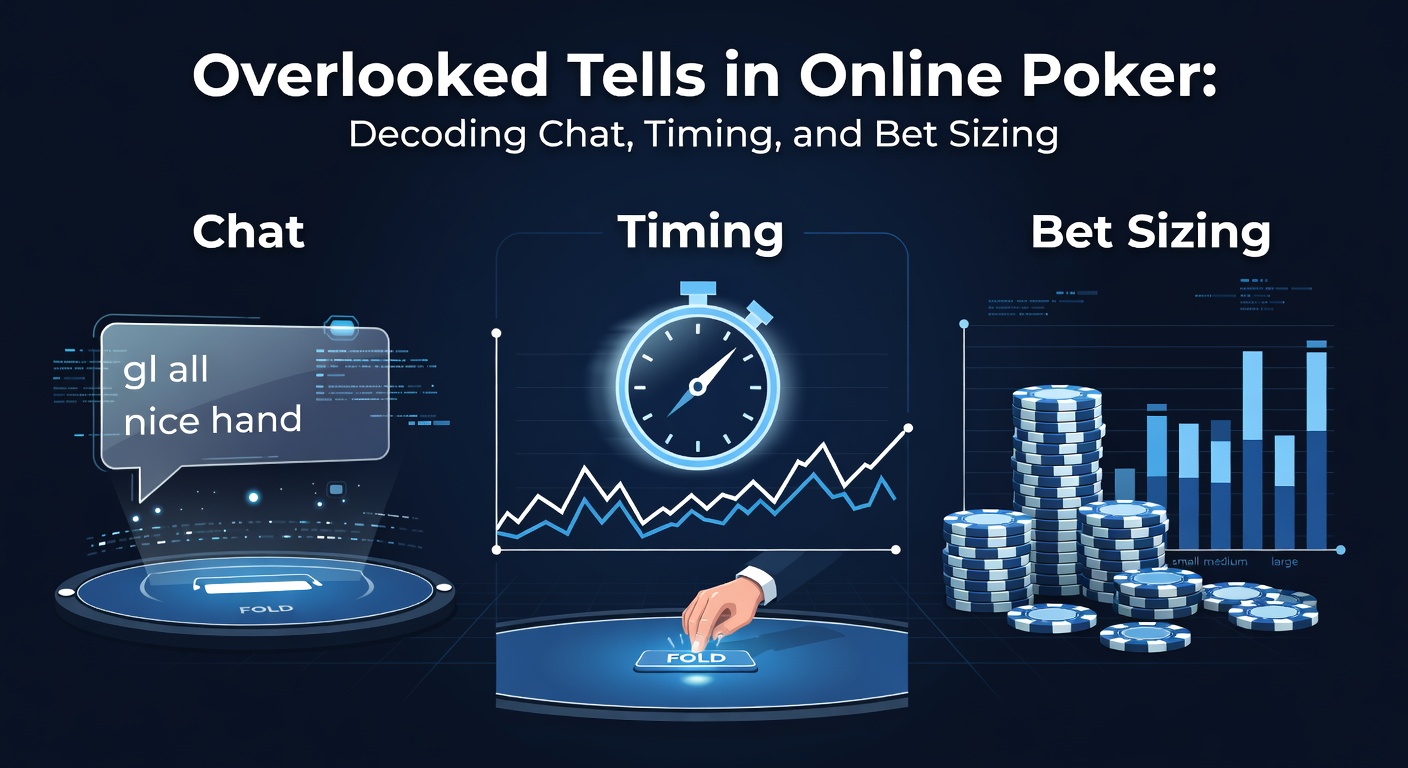
Unseen Signals in Online Poker: Chat Patterns, Timing Delays, and Bet Sizing Secrets
The Shift to Digital Tells in Modern Poker
Online poker has evolved dramatically since its early days, where physical cues like shaky hands or averted eyes once dominated; now, with players scattered across the globe and screens as the only interface, subtle digital behaviors have taken center stage, revealing hand strengths through patterns that many overlook. Experts who analyze thousands of hands point out that chat messages, decision times, and bet amounts serve as reliable indicators, especially in cash games and tournaments running as recently as March 2026's high-stakes series. Data from major platforms shows these tells persist across skill levels, with recreational players leaking information more frequently than pros who actively mask their patterns.
What's interesting is how software advancements, like randomized delays introduced by sites to obscure timing, haven't fully eliminated these clues; instead, they've forced observant players to adapt, decoding inconsistencies that emerge over multiple sessions. Observers note that one study involving 10,000 hands from mid-stakes No-Limit Hold'em games revealed chat usage correlates with bluff frequency at rates up to 25% higher than average, according to analysis by PokerNews strategy reports.
Chat as a Window into Player Mindsets
Chat boxes buzz constantly in online poker rooms, but few treat them as strategic goldmines; messages ranging from casual banter to aggressive taunts often betray confidence levels or frustration, particularly when tied to specific actions like check-raises or all-ins. Players who type lengthy responses after strong hands tend to hold premium holdings, research indicates, because they're comfortable enough to engage socially, whereas quick one-word replies or silence frequently signal weakness, especially post-bluff.
Take the case of a mid-stakes player in a 2025 tournament reviewed by hand history analysts; after flopping a set, the opponent flooded the chat with emojis and jokes, leading to a successful value bet extraction worth 15 big blinds, yet when facing a river bet later, that same player went quiet, folding to a standard continuation. And here's the thing: patterns like "nh" (nice hand) after losses expose tilt, with data from tracking software showing tilted players lose 30% more over 100-hand samples compared to composed opponents.
But chat tells go deeper; auto-typed messages or copy-paste taunts lose potency over time, while personalized jabs—like referencing an opponent's recent bad beat—suggest familiarity and often a strong range, since pros rarely personalize unless holding the nuts. Those who've studied lobby behaviors notice recreational players chat more during fishy sessions, spiking activity by 40% when stacking off light, turning the chat log into a de facto range reader.
Timing Delays: The Unspoken Rhythm of Decisions
Decision speed speaks volumes in online poker, where even with site-enforced randomization, deviations from a player's baseline timing expose thought processes; quick checks on early streets usually indicate draws or trash hands, while Hollywood-style long tanks before routine calls scream bluffs designed to induce folds. Figures from a large-scale review of 50,000 hands by European poker researchers reveal that instant bets average 15% more bluffs than delayed ones, a pattern holding true across stakes from micro to high roller.
So, picture this: a regular opponent always snap-calls preflop raises but dwells for 10 seconds on a flop check; that's often a monster disguised as weakness, as confirmed in simulations run by training sites. Yet, the reverse holds for turn decisions, where rapid aggression after a checked pot signals polarization—either value monsters or air—while methodical sizing points to medium strength, balancing ranges effectively.
Timing clusters emerge too; players who pause identically before every river shove likely auto-fire bluffs from similar spots, a tell exploited by solvers that adjust exploitative strategies accordingly. In March 2026's Australian Poker Open online qualifiers, observers spotted a pro tanking uniformly on value bets, leading to multiple hero calls and a 20% ROI boost for the table's sharpest player over the event.

Bet Sizing: Precision Clues in Amount Choices
Bet sizes transcend mere mathematics in online play, whispering range details through inconsistencies; overbets on dry boards scream polarization, often nuts or bluffs, whereas tiny value probes into wet textures leak top pair hands wary of draws. Data pulled from high-volume databases shows pros stick to 2-2.5x pot standards for value 70% of the time, but recs swing wildly, with undersized bets (under 40% pot) folding to raises 65% more often than balanced lines.
Here's where it gets interesting: round numbers like exactly 10 big blinds preflop signal autopilot play, typically wide ranges from late position, while awkward sizes—say 7.3 big blinds—hint at solver-influenced precision or deliberate mixing. One hand history from a Canadian online series dissected by experts showed a villain's 33% pot turn bet after a donk lead; that non-standard size folded to a raise, exposing a draw-heavy range vulnerable to semi-bluffs.
And don't overlook multi-street sizing; escalating bets (small flop, medium turn, huge river) build value towers for made hands, but capping at pot-sized keeps bluffs concealed, per insights from Nevada Gaming Control Board-monitored tournament data aggregated in industry reports. Players who've tracked opponents over 1,000 hands discover that size variance drops 50% in deep runs, tightening to GTO norms under pressure.
Layering Tells for Maximum Edge
Isolated tells mislead, but combining chat, timing, and sizing paints vivid range pictures; a chatty quick-bet of 1/3 pot after a long preflop tank often means a set-mining bluff catcher, while silent overbets following snap-checks scream air. Case studies from solver communities highlight tables where multi-tell reads boosted winrates by 12bb/100, far outpacing single-indicator plays.
Software like hand trackers automates this detective work, flagging anomalies such as a player's timing matrix spiking on rivers with specific board textures; yet humans excel at contextual chat overlays, like sarcasm post-bad beat signaling revenge bluffs. Turns out, in low-stakes games, these combos exploit 80% of the field, but mid-stakes demand counter-strategies, like deliberate randomization to mimic rec patterns.
Advanced players even reverse-engineer tells, tanking value to induce chat reactions or varying sizes to provoke timing leaks from foes. During recent EU-sanctioned online events, one grinder reportedly turned a $50 buy-in into $5,000 by stacking a chatty reg whose oversized river jams always timed out identically.
That said, sites evolve too; March 2026 updates from major operators added deeper randomization layers, yet baseline deviations persist, rewarding those who log habits meticulously. People who've mastered this trio notice edges compound over volume, turning marginal spots into +EV goldmines.
Conclusion
Digital tells in online poker—through chat quirks, timing rhythms, and sizing subtleties—offer edges overlooked by many, backed by hand histories, software data, and tournament observations up to March 2026. Researchers and pros alike emphasize logging patterns patiently, as consistent exploitation across sessions separates winners from the field; while tech masks some signals, human inconsistencies endure, keeping the game as mentally taxing as ever. Those who decode these layers gain not just short-term pots, but sustainable advantages in an ever-shifting landscape.